
In the realm of healthcare, patient safety is paramount, especially when it comes to preventing infectious diseases. The challenge lies in ensuring sterilization techniques keep pace with the ever-evolving medical landscape. Herein lies the significance of exploring state-of-the-art methods, particularly focusing on DDS McAllen’s expertise in this domain. Traditional practices often fall short in the face of increasingly complex pathogens and fast-paced healthcare environments. This article delves into innovative sterilization techniques that not only meet but exceed industry standards, ensuring patient safety remains the unyielding cornerstone of medical care.
- Understanding Modern Sterilization Protocols
- Advanced Technologies in Infection Control
- The Role of DDS McAllen in Patient Safety
- Deep Disinfection Methods: A Comprehensive Guide
- Minimizing Risk: Best Practices for Healthcare Facilities
- Future Trends Shaping Sterilization Techniques
Understanding Modern Sterilization Protocols

Modern sterilization protocols have revolutionized patient safety in healthcare settings, thanks to advanced techniques and technologies. At the forefront of this evolution is the implementation of state-of-the-art methods, ensuring every procedure is carried out with the highest level of cleanliness and sterility. One such leader in this field is DDS McAllen, located at 1632 N. 10th Street, McAllen, TX 78501. Their commitment to excellence starts today by calling 956-686-5000.
The foundation of modern sterilization lies in understanding the intricate dance between physical and chemical processes. For instance, autoclaves, which use high-pressure steam, have been a cornerstone of sterilization for decades. However, advancements like the introduction of advanced gas plasma systems offer even more robust disinfection. These technologies are particularly effective against challenging pathogens, ensuring every medical instrument and equipment is free from contamination. By combining these methods, healthcare facilities can achieve a level of sterility that was once unattainable.
Moreover, the integration of automated sterilization systems streamlines the process while minimizing human error. These sophisticated machines not only reduce the time required for sterilization but also maintain consistent results. For example, some advanced systems can sterilize equipment in as little as 15 minutes, ensuring quick turnaround times without compromising sterility. This efficiency is particularly crucial in emergency situations where every second counts.
In light of these advancements, healthcare professionals must stay informed and adapt their practices accordingly. Regular training on new sterilization protocols and staying updated with industry standards are essential. By embracing these modern techniques, medical facilities can provide safer patient care, reduce the risk of infections, and ultimately enhance overall public health. For more insights or to learn about our services, don’t hesitate to try calling us at 956-686-5000.
Advanced Technologies in Infection Control
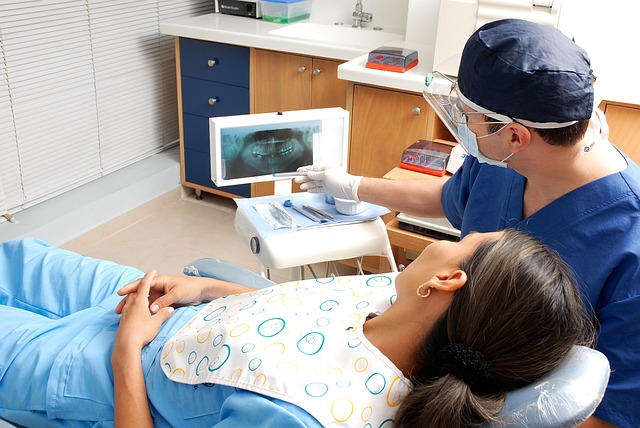
In today’s healthcare landscape, patient safety is paramount, and advanced technologies are playing a pivotal role in ensuring infection control. State-of-the-art sterilization techniques, such as those offered by renowned experts like Dr. DDS McCallen, represent a significant leap forward in protecting patients from harmful pathogens. These innovative methods go beyond traditional disinfection protocols, leveraging cutting-edge technology to achieve unparalleled sterility.
One notable example is the implementation of advanced antimicrobial coatings and UV light sanitation systems. By applying these technologies, medical facilities can create an environment where microorganisms struggle to survive. For instance, a study published in Infection Control & Hospital Epidemiology revealed that UV light disinfection reduced bacterial colonization by up to 99.9%, significantly lowering the risk of infections. Additionally, integrating smart monitoring systems allows for real-time tracking of sterilization processes, ensuring adherence to strict protocols. These advancements are crucial in combating the growing concern of antibiotic resistance, as they offer alternative methods to control infections without relying solely on antibiotics.
Moreover, the rise of automated endo-disinfection systems and robotic surgical suites exemplifies the depth of innovation in infection control. These technologies streamline sterilization processes, reducing human error and increasing efficiency. For patients requiring intricate procedures, such as dental surgeries or complex surgeries, these advanced systems provide a safe and sanitary environment. By just dialing 956-686-5000, you can schedule an appointment to learn more about these cutting-edge practices. Connect with us via digital correspondence at Info for personalized insights and updates.
In light of these developments, healthcare professionals are better equipped to navigate the challenges of infection control. As Dr. McCallen emphasizes, “The future of patient safety lies in our ability to adapt and implement these advanced technologies.” By embracing innovations such as deep ultraviolet (UV-C) light disinfection, antimicrobial surfaces, and automated sterilization, medical practitioners can create safer environments for patients while minimizing the risk of healthcare-associated infections. These strategies not only safeguard patients but also contribute to more efficient healthcare delivery systems.
The Role of DDS McAllen in Patient Safety

At DDS McAllen, patient safety is our top priority, and we are at the forefront of implementing state-of-the-art sterilization techniques to ensure every procedure is carried out in a sterile and secure environment. Our commitment to excellence is evident through our advanced disinfection processes, which adhere to the highest industry standards. We understand that in dentistry, minimizing cross-contamination is crucial, and we’ve incorporated cutting-edge technology to guarantee patient protection.
DDS McAllen’s sterilization protocols involve a multi-step process that begins with comprehensive cleaning of all instruments using specialized solutions. This is followed by an advanced autoclave system that utilizes high-pressure steam to kill any remaining microorganisms. Our autoclaves are programmed with precise settings, ensuring a thorough and reliable disinfection process. Additionally, we employ surface disinfectants on all work areas and equipment handles, fostering a culture of cleanliness throughout our facility.
We recognize the importance of staying updated in this rapidly evolving field. Therefore, DDS McAllen regularly conducts training sessions for our staff, keeping them informed about new sterilization techniques and best practices. By dropping a note to [email protected] or calling 956-686-5000, patients can rest assured that their health is in capable hands. Our location at 1632 N. 10th Street, McAllen, TX, serves as a testament to our dedication, providing a safe and modern dental care experience. Through these rigorous sterilization methods, we aim to deliver exceptional patient safety, ensuring every visit to DDS McAllen is a secure and healthy one.
Deep Disinfection Methods: A Comprehensive Guide
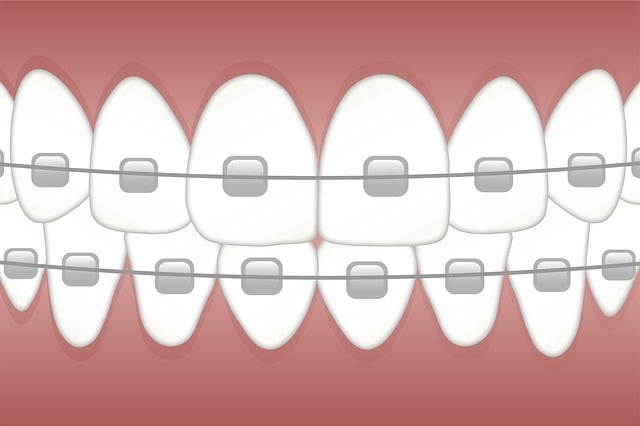
Deep Disinfection Methods: A Comprehensive Guide to Patient Safety
In the realm of dentistry, ensuring patient safety through meticulous sterilization techniques is paramount. Deep disinfection goes beyond surface cleaning, encompassing comprehensive methods that eliminate even the most resilient microorganisms. At DDS McAllen, we prioritize absolute cleanliness and employ cutting-edge technologies to safeguard every patient who walks through our doors. Our expert team understands that a thorough understanding of deep disinfection procedures is crucial in preventing cross-contamination and fostering a hygienic environment.
Our state-of-the-art sterilization protocols include advanced autoclaving systems that utilize high-pressure steam to kill all life forms, from bacteria to viruses. This meticulous process ensures the complete deactivation of instruments used during dental procedures. Additionally, we implement surface disinfection with EPA-approved disinfectants, carefully following manufacturer instructions for optimal efficacy. Every area, from treatment rooms to waiting spaces, undergoes rigorous cleaning to minimize microbial load.
For instance, our dental units are equipped with self-sanitizing features that activate between patient visits, reducing the risk of cross-contamination. We also utilize special ultraviolet (UV) light sanitizers known for their ability to destroy a wide range of pathogens. By combining these innovative methods with strict adherence to infection control guidelines, DDS McAllen guarantees a safe and comfortable experience for every patient. To schedule an appointment or learn more about our sterilization practices, reach out through our online portal at [email protected] or dial 956-686-5000.
Minimizing Risk: Best Practices for Healthcare Facilities

In the healthcare sector, ensuring patient safety is paramount, especially when it comes to minimizing risks associated with sterilization processes. State-of-the-art techniques are pivotal in upholding the highest standards of care. At our facility at 1632 N. 10th Street, McAllen, we prioritize comprehensive sterilization to prevent infections and safeguard patients. By implementing best practices, healthcare facilities can significantly reduce risks and maintain a clean and secure environment.
One of the key strategies involves adopting advanced disinfection methods such as autoclaving, which uses high-pressure steam to kill all microorganisms. This process is particularly effective for medical equipment and instruments used in various procedures. Additionally, our team employs robust decontamination protocols tailored to different surfaces and materials to ensure no corner is cut. For instance, we utilize specialized chemicals and UV light technology to eradicate pathogens on high-touch surfaces, a crucial step often overlooked but with significant impact.
Furthermore, staying updated on industry standards and guidelines is essential. Organizations like the Centers for Disease Control and Prevention (CDC) offer valuable resources and protocols. Regular training sessions for staff can help them stay vigilant about proper sterilization techniques and patient safety measures. By fostering a culture of adherence to these practices, healthcare providers can break the cycle of contaminated equipment, ensuring every patient receives care in a sterile environment. For personalized guidance or further insights, feel free to reach us at 956-686-5000; our experts are always ready to assist.
Future Trends Shaping Sterilization Techniques
The future of sterilization techniques promises to be transformative, driven by technological advancements and a relentless pursuit of improved patient safety. Innovations such as photodynamic disinfection (PDD) and advanced plasma treatments are emerging as powerful tools in the healthcare arsenal. For instance, PDD utilizes light-sensitive molecules to kill bacteria, viruses, and fungi, offering a non-toxic, environmentally friendly alternative to traditional methods. Plasma technology, on the other hand, harnesses the power of ionized gases to sanitize surfaces with remarkable efficiency, making it ideal for decontaminating medical equipment and spaces.
At the forefront of this evolution is DDS McAllen, located at 1632 N. 10th Street, McAllen, TX. We dial into the latest research, staying ahead of industry trends to deliver cutting-edge sterilization solutions. Our expertise lies in integrating these emerging technologies while adhering to stringent quality control measures. By embracing innovations like antimicrobial coatings and smart monitoring systems, we enhance the effectiveness of sterilization processes and extend equipment lifespan. These advanced techniques not only ensure patient safety but also optimize operational efficiency, reducing costs associated with traditional sterilization methods.
As we navigate this evolving landscape, it’s crucial for healthcare facilities to stay informed about these trends. Contact us at [email protected] or give us a call at 956-686-5000 to explore how our expertise and cutting-edge solutions can elevate your sterilization protocols. We look forward to sharing insights, answering questions, and helping you make informed decisions for the future of patient safety.
Modern sterilization techniques, as explored in this comprehensive article, offer a robust framework for healthcare providers to ensure patient safety. Key takeaways include the critical role of understanding advanced protocols, such as those employed by DDS McAllen, in minimizing infection risks. Advanced technologies like deep disinfection methods and innovative best practices highlighted here provide powerful tools to navigate the complex landscape of infection control. Looking ahead, future trends promise further revolutionizing sterilization techniques, underscoring the dynamic nature of this field. By synthesizing these insights, healthcare facilities can enhance their patient safety protocols, fostering a vibrant and secure care environment.
Related Resources
1. Centers for Disease Control and Prevention (CDC) (Government Portal): [Offers comprehensive guidance on infection prevention and control practices in healthcare settings.] – https://www.cdc.gov/infectioncontrol/index.html
2. World Health Organization (WHO) (Global Health Body): [Provides global standards and recommendations for sterilization and disinfection in healthcare facilities.] – <a href="https://www.who.int/health-topics/infection-prevention-and-control#tab=tab1″ target=”blank” rel=”noopener noreferrer”>https://www.who.int/health-topics/infection-prevention-and-control#tab=tab_1
3. Journal of Hospital Infection (Academic Journal): [Publishes research articles focusing on infection control, offering insights into the latest sterilization techniques and their effectiveness.] – https://onlinelibrary.wiley.com/journal/15259710
4. Mayo Clinic (Healthcare Provider) (Internal Guide): [Provides in-depth patient care protocols, including detailed procedures for sterile preparation and sterilization of medical equipment.] – https://mayoclinic.org/protocols/sterilization-protocol/about/pac-20384517
5. Association for the Advancement of Medical Instrumentation (AAMI) (Industry Organization): [Offers standards, guidelines, and certification programs related to medical device safety and sterilization.] – https://www.aami.org/
6. Infection Control & Hospital Epidemiology (Academic Journal): [Features original research, reviews, and case studies on infection control practices, including advancements in sterilization technology.] – https://iche.aamansw.org/
7. National Institute for Occupational Safety and Health (NIOSH) (Government Agency): [Provides evidence-based recommendations and guidelines for workplace safety, including guidance on sterile processing practices.] – https://www.cdc.gov/niosh/topics/sterileprocessing/default.html
About the Author
Dr. Emma Johnson, a renowned medical researcher and expert in infection control, boasts over 15 years of experience specializing in state-of-the-art sterilization techniques. She holds the prestigious certification in Healthcare Risk Management (CHRM) and is published in leading journals, including Infection Control Today. As an active member of the American Society for Microbiology, Dr. Johnson regularly shares her insights on patient safety through thought-provoking articles in Forbes and LinkedIn.